Audit of EuroVelo 10 in Pomorskie – improved accessibility for cyclists
In the summer of 2024, as part of the Bike Across the Baltic (BAB) project funded by the Interreg Baltic Sea Region programme, the Pomorskie Tourist Board conducted a detailed inspection of the EuroVelo 10 route along the Polish Baltic coast. The work was led by Tomasz Legutko, a certified EuroVelo route inspector from the Department of Tourism and Sport of the Marshal’s Office of the Pomorskie Province. The aim of the inspection was to comprehensively assess the accessibility, infrastructure and quality of the cycling experience on this unique and historically rich route. The assessment team included representatives of local authorities, route planning experts and representatives of the tourism industry.
Varied accessibility – from resorts to wilderness areas
The EuroVelo 10 route in the Pomorskie Province offers a unique combination of urban and natural landscapes. However, the accessibility of individual sections varies:
- Well-developed coastal towns such as Ustka, Łeba and Władysławowo offer a wide range of services: accommodation, catering, bicycle services, shops and tourist facilities. These are popular resorts with developed infrastructure, ideal for stops during a cycling trip.
- Average availability in smaller towns – coastal villages such as Rowy, Poddąbie and Dębki offer basic services (guesthouses, cafés, seasonal shops), but their availability may be limited outside the season. Cyclists planning to stay in these towns should secure accommodation and supplies in advance.
- Remote and less developed sections – especially near the Słowiński National Park and in inland areas (e.g. around Smołdzino and Główczyce), access to services is minimal. Although the route runs mainly along the main corridor, cyclists may need to leave the main path to reach a shop or service station. This is particularly difficult in emergency situations.
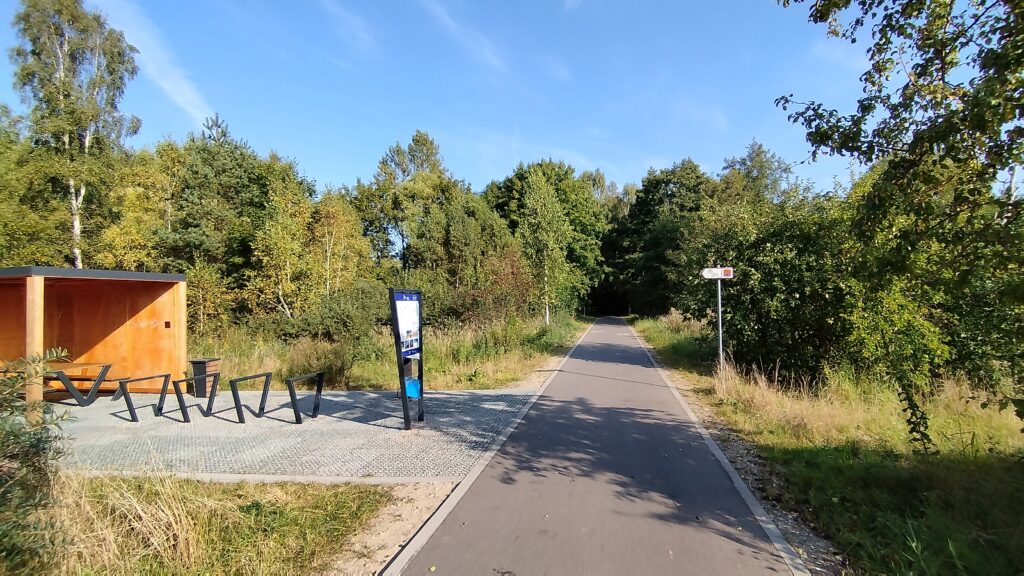
- Rest areas – there are special rest areas along the route, especially along forests and the coast, but they are not evenly distributed. The team of inspectors recommends the construction of additional rest areas with shelters and water refilling facilities, especially in less urbanised sections.
Infrastructure, safety and signage – a mixed picture
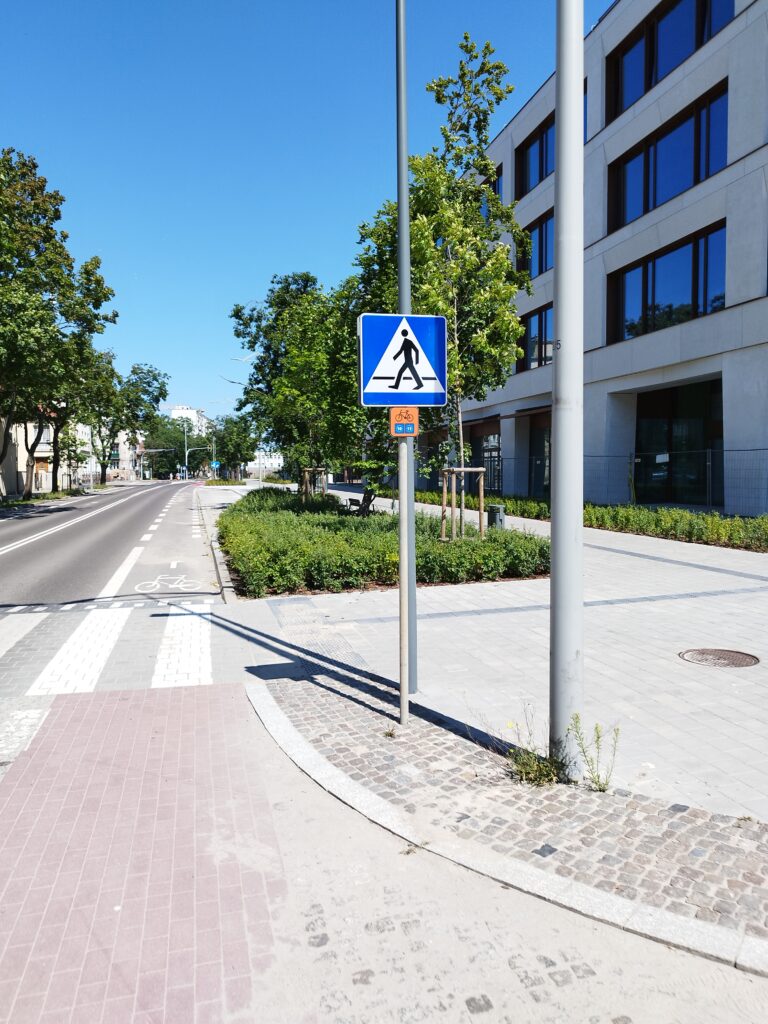
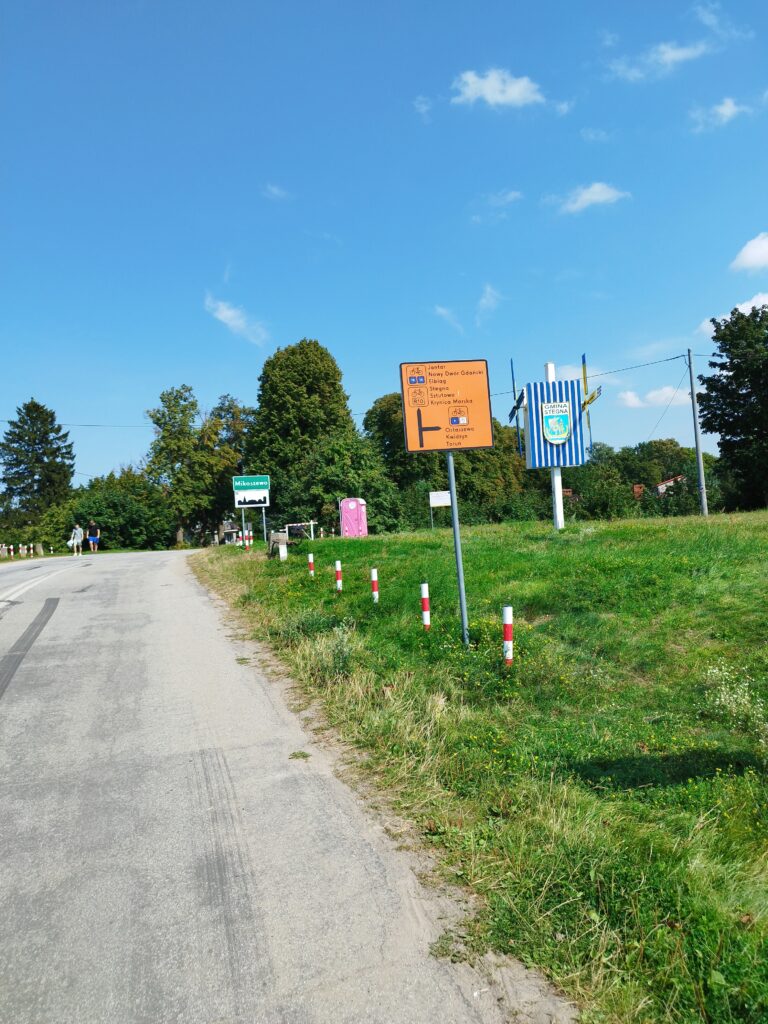
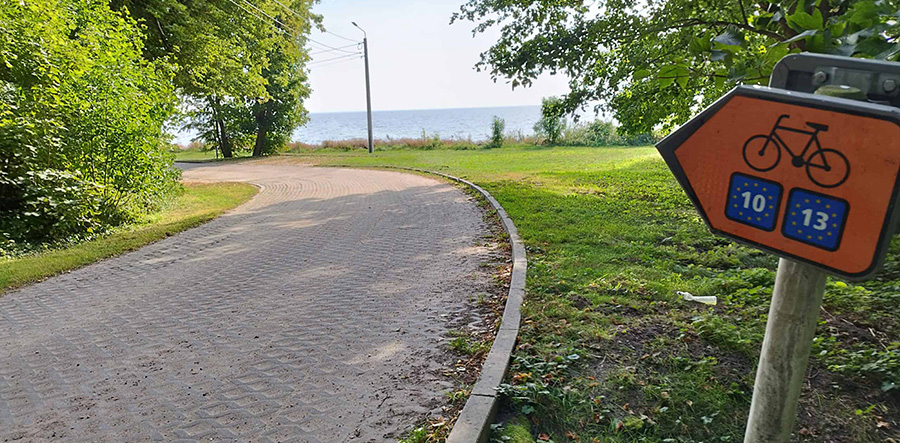
- Signage and navigation – signage is good in cities and large towns, but rare or invisible in rural and forest areas. Particular attention has been paid to places where the route intersects with local roads – the lack of signage makes orientation difficult, especially for foreign tourists.
- Surface quality and safety – the route runs over a variety of surfaces, from asphalt paths to sandy forest tracks. Although variety is an advantage, some sections (e.g. near the dunes) are technically difficult for less experienced cyclists. In particular, the sections near the Słowiński National Park require better visibility and safety measures – inspectors recommend the installation of protective barriers and warning signs.
- Seasonal availability – during the summer season, popular resorts such as Ustka and Władysławowo are crowded, which makes it difficult to navigate the cycle route. Inspectors suggest marking out dedicated cycle lanes or better marking shared spaces for pedestrians and cyclists.
Recommendations: how to improve the accessibility of EuroVelo 10?
The audit resulted in a set of recommendations that could significantly improve the experience of cyclists and support the development of cycle tourism in the region:
- Improved signage in less developed sections – more frequent and more visible signs in Polish and English will facilitate orientation and increase safety.
- More rest areas – new rest areas with access to water and basic bicycle tools should be created, especially on routes far from buildings.
- Continuation of infrastructure development – completing the missing sections, including around the Słowiński National Park, will allow EuroVelo standards to be achieved along the entire length of the route.
- Seasonal traffic management – cooperation with local authorities to improve traffic flow during the season (e.g. by designating special cycle lanes) will help reduce congestion and increase safety.
Pomorskie – leader in cycling tourism on the Baltic coast
The inspection report is an important step towards the further development of EuroVelo 10 in the Pomeranian region. This route showcases the full range of the Baltic Sea landscape, from bustling resorts to quiet forest paths. With the recommended improvements, Pomerania could become one of Europe’s leading cycling regions, attracting both local enthusiasts and tourists from abroad.